
Most plumbing problems start small, a tiny drip, a slightly damp patch, a vague smell of mould. Right up until the ceiling starts dripping during Sunday dinner, and suddenly it’s become everyone’s emergency at once.
The tricky thing about water leaks is that by the time they become obvious, they’ve usually been quietly doing damage for a while. The good news is that most leaks give off early warning signs, if you know what to look for. This guide will walk you through the telltale signs of a water leak, what to check yourself, and when to call a qualified plumber in Kent.
Quick Answer: Common Signs of a Water Leak
Early warning signs of a water leak include:
- Unexplained damp patches on walls, ceilings, or floors
- A sudden increase in your water bill
- The sound of running water when nothing is in use
- Low water pressure throughout the property
- Mould or mildew appearing in unusual places
- Warm or discoloured patches on the floor (possible underfloor pipe leak)
- Your water meter moving when all taps are off
If you spot any of these, it’s worth investigating promptly, the longer a leak goes undetected, the more damage it can cause.
Why Early Detection Matters
Water damage is one of the most expensive things a homeowner can face. Even a slow, persistent drip behind a wall can cause:
- Structural damage to timber joists and plasterwork
- Mould growth that affects air quality and can be costly to remediate
- Damage to insulation, flooring, and decorating
- Rot in floorboards and skirting boards
- In severe cases, compromised structural integrity
Finding a leak early, even a relatively small one, can save thousands of pounds in repair bills. It can also prevent disruption to your home insurance arrangements, since most policies exclude damage caused by long-term, gradual leaks if they’re not reported promptly.
Warning Signs of a Water Leak
Unexplained Damp or Water Staining
A damp patch on a ceiling, wall, or floor that doesn’t correspond to obvious condensation or ventilation issues is one of the clearest signs of a leak. Yellow or brown staining on ceilings, in particular, almost always indicates water from above, whether from a leaking pipe, a bathroom above, or a roof issue.
Rising Water Bills
If your water usage hasn’t changed but your bill has gone up noticeably, this can indicate a leak in the supply pipework, particularly if the leak is occurring before your internal stopcock, where water may be escaping without entering the property at all.
The Sound of Running Water
If you can hear the sound of water moving, a dripping, trickling, or hissing, when no taps are on and no appliances are running, there may be a leak within the walls or floor. This is easier to detect in quieter periods such as late at night.
Low Water Pressure
A sudden or gradual drop in water pressure throughout the property (not just one tap) can suggest that water is escaping somewhere in the system.
Mould and Mildew in Unusual Places
Mould thrives in damp conditions. If it’s appearing on walls or ceilings away from obvious moisture sources like bathrooms or kitchens, a hidden leak may be providing the moisture it needs to grow.
Warm Patches on the Floor
A warm spot on a tiled or solid floor that doesn’t correspond to underfloor heating can indicate a hot water pipe leaking beneath the screed. These leaks can be particularly damaging and difficult to locate without specialist equipment.
A Moving Water Meter
This is one of the most reliable DIY checks available (see below).
How To Check for a Hidden Leak
The Water Meter Test: If you have an external water meter: turn off all taps, appliances, and irrigation; note the exact meter reading; wait 30–60 minutes without using any water; check the reading again. If the meter has moved, water is leaving the supply somewhere.
Check Under Sinks and Behind Appliances: Open the cupboard under your kitchen and bathroom sinks and check for any signs of moisture, staining, or active drips. Check behind your washing machine and dishwasher too, connections and hoses can develop slow leaks over time.
Inspect Your Stopcock: Your internal stopcock (usually under the kitchen sink) should be dry around its body and handle. Any weeping or drips here may indicate the valve itself is leaking.
Look in the Loft: If you have a cold water tank in the loft, check around it and along the overflow pipe. Overflowing tanks, loose connections, or split pipes in unheated loft spaces are a common source of hidden leaks.
Common Locations for Leaks
Leaks are most commonly found at:
- Under sinks: waste pipe joints, supply connections
- Behind toilets: cistern valves, supply pipes, pan connectors
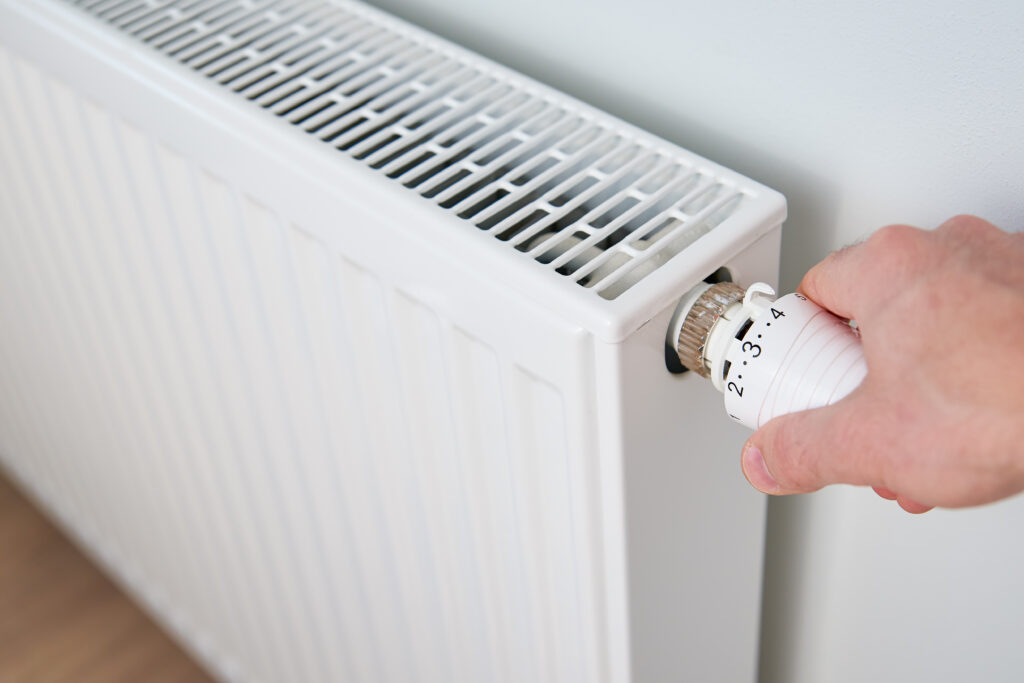
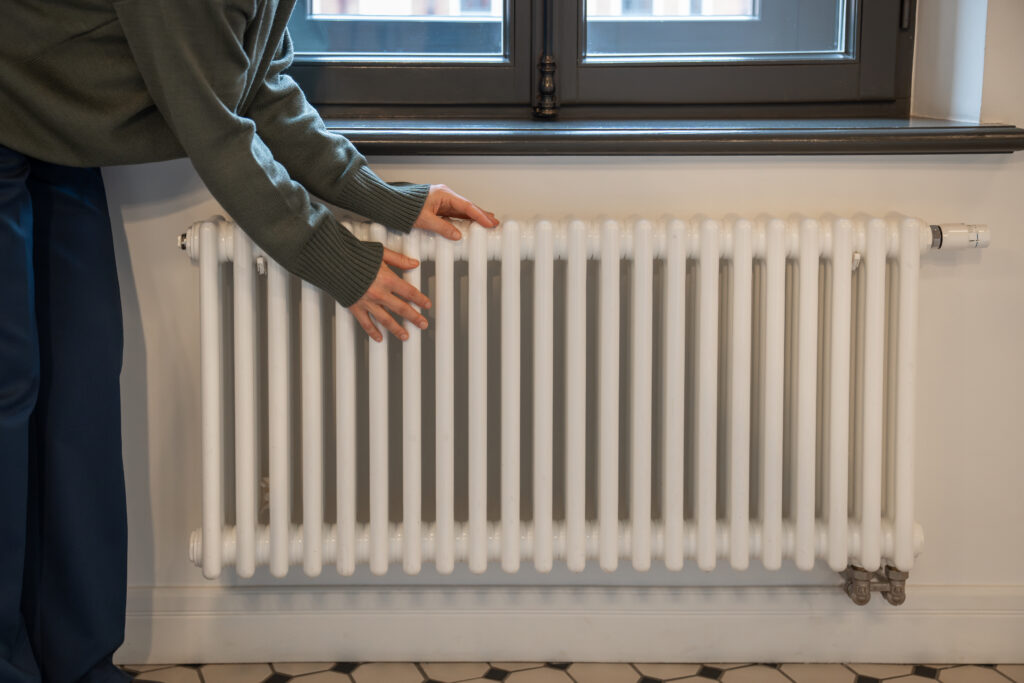
- Radiator valves: particularly older thermostatic valves
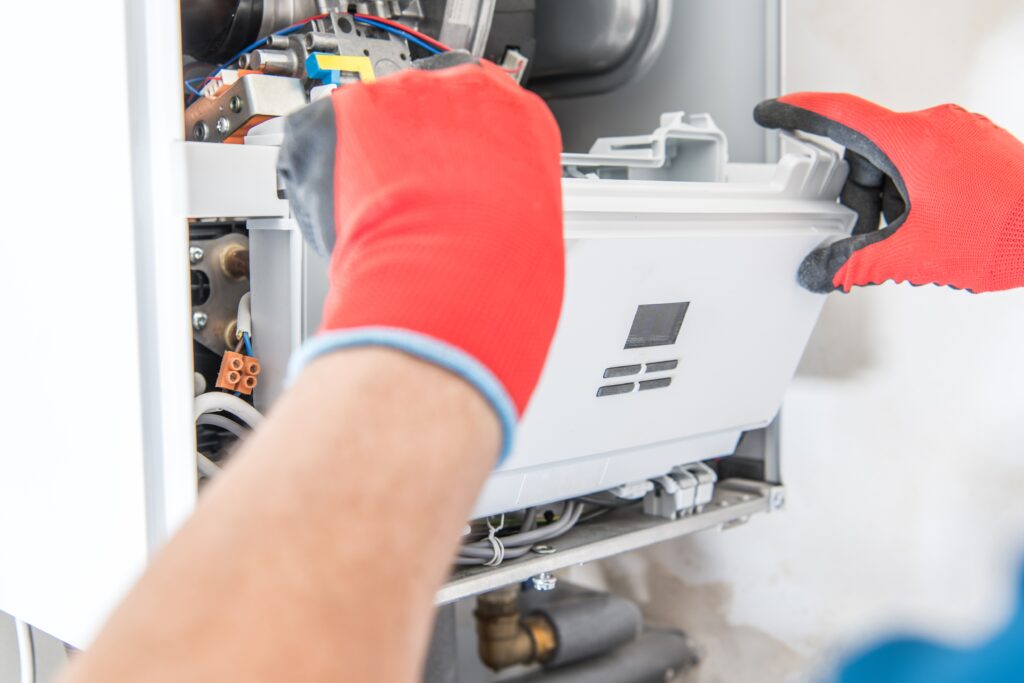
- Boiler connections: pressure relief valve discharge, pump joints
- Underground supply pipes: between the meter and the property
- Concealed pipework: in walls or under floors, particularly at joints
- Bathroom waste pipes: especially in older properties with lead or cast iron waste
What You Can Do Immediately
If you find or suspect a leak, here are some practical first steps:
1. Locate your stopcock: Know where your internal stopcock is before you need it. It’s usually under the kitchen sink or in a utility room. Turning this off will stop the flow of water into the property in an emergency.
2. Turn off the water if necessary: If there’s an active leak causing immediate damage, turn off the stopcock straight away. You’ll lose water supply to the property but will prevent further damage.
3. Turn off the boiler: If you suspect a leak near the boiler or heating system, turn it off to avoid running the pump against a reduced system.
4. Document the damage: Take photographs of any visible damp, staining, or damage before any repairs are carried out. This is important if you need to make an insurance claim.
5. Call a plumber: Don’t wait to see if it sorts itself out, leaks almost never do.
When To Call a Professional
You should call a plumber if:
- You can hear running water but can’t find the source
- Your water bills have increased without explanation
- There are damp patches on walls or ceilings you can’t account for
- You find a drip or running water you can’t isolate
- You suspect a leak under the floor or behind a wall
- Your water pressure has dropped noticeably
For hidden leaks, professional leak detection equipment, including thermal imaging cameras, acoustic listening devices, and tracer gas, can locate a leak non-invasively, often without the need for any excavation.
Our plumbers cover Gravesend, Dartford, Medway, and the wider Kent area. If you suspect a leak, we’ll find it and fix it as quickly as possible.
Typical Costs
| Work | Approximate Cost |
|---|---|
| Leak investigation / detection | £80–£200 |
| Minor pipe repair (accessible) | £100–£300 |
| Leak detection with specialist equipment | £150–£400 |
| Underground leak repair | £300–£1,000+ |
| Trace and access (concealed leak) | £200–£600 |
Costs vary considerably depending on how difficult the leak is to locate and access. An experienced plumber will give you a clear assessment before starting any work.
FAQs
How do I know if a leak is my responsibility or the water company’s?
The water company is generally responsible for pipework up to and including the external stopcock at the boundary of your property. Everything from that point inward is typically your responsibility. If you suspect a leak in the external supply pipe, contact your water supplier first.
Can a small drip really cause serious damage?
Yes. Even a slow drip of one drop per second can waste over 10,000 litres of water a year, and the structural and mould-related damage from persistent moisture can be far more costly than the repair itself.
Will my home insurance cover water leak damage?
Most standard home insurance policies cover sudden, accidental damage from water leaks, but may exclude damage from long-term, gradual leaks, particularly if you were aware of the problem and didn’t act on it. Check your policy and report any damage promptly.
How do plumbers find hidden leaks?
Professional leak detection can use several methods: acoustic equipment that listens for the sound of escaping water; thermal imaging cameras that detect temperature variations caused by leaking hot pipes; and tracer gas, which is introduced into the pipework and detected at the surface above the leak point.
Is leak detection expensive?
Professional detection is considerably cheaper than the alternative, ripping up floors or cutting into walls on a trial-and-error basis. A targeted approach saves time, money, and disruption overall.
What should I do if I find a leak at night or over the weekend?
Turn off the internal stopcock to prevent further damage, and call an emergency plumber. Our team covers Kent and Medway and can assist with urgent leaks.
Need a Plumber in Kent?
If you suspect a water leak, or just want peace of mind, our experienced plumbers are based locally and cover Gravesend, Dartford, Medway, Maidstone, and surrounding areas across Kent.
Contact us today for fast, reliable assistance, or for urgent leaks, call us directly for an emergency response.
Also see: Leak Detection in Dartford | Plumbing Services in Gravesend | Why Your Boiler Pressure Keeps Dropping