Boiler problems always seem to pick the worst possible moment, usually when the temperature drops and everyone wants a hot shower at once. If you’ve noticed your boiler pressure gauge creeping down into the red, you’re not alone. Low boiler pressure is one of the most common issues heating engineers get called out for in Kent, and the good news is that it doesn’t always mean something serious.
In this guide, we’ll walk through why boiler pressure drops, what you can safely check yourself, and when it’s time to bring in a qualified engineer.
Quick Answer: Why Does Boiler Pressure Keep Dropping?
Boiler pressure drops are most commonly caused by:
- A small water leak somewhere in the system (pipes, radiator valves, or the boiler itself)
- A faulty or worn pressure relief valve releasing water
- Recently bled radiators without re-pressurising the system
- A problem with the expansion vessel
If your pressure keeps dropping back down shortly after you top it up, there is almost certainly a leak or a component fault that needs professional attention.
What Is Boiler Pressure and Why Does It Matter?
Your central heating system is a sealed loop, water is heated by the boiler and pushed around to your radiators. For this to work properly, the system needs to be pressurised, typically between 1 and 1.5 bar when cold.
If the pressure drops too low, the boiler will often lock out and stop working entirely. Most modern boilers show a pressure gauge either on the front panel or on a digital display. If yours is sitting below 1 bar, that’s your first clue something needs sorting.
Common Causes of Dropping Boiler Pressure
Water Leaks
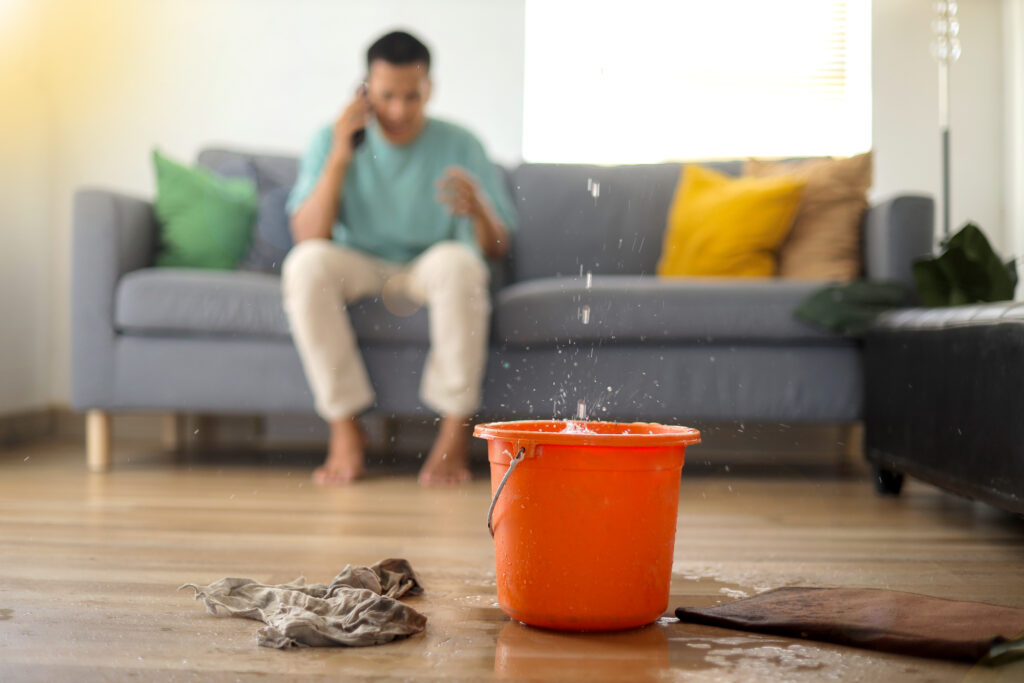
The most frequent culprit. Even a tiny drip from a radiator valve, a pipe joint, or the boiler itself can cause pressure to slowly fall over time. Leaks aren’t always obvious, sometimes they’re hidden under floorboards or inside walls.
Signs you may have a leak include:
- Damp patches on ceilings or walls
- Rust or watermarks around radiator valves
- A slight hissing or dripping sound near the boiler
Faulty Pressure Relief Valve (PRV)
The PRV is a safety device that releases pressure if it gets too high. Over time, these valves can wear and begin leaking even when they shouldn’t. If you notice a pipe dripping outside your home near the boiler flue, this is often the cause.
Bleeding Radiators Without Topping Up
If you’ve recently bled your radiators to release trapped air, well done, that’s exactly what you should do. However, releasing air from the system also reduces pressure, so you’ll need to top up the system using the filling loop to bring it back to the correct level.
Expansion Vessel Problems
The expansion vessel absorbs pressure changes as the water heats and cools. If the vessel’s internal membrane fails, the system can no longer manage these pressure changes properly and the PRV begins releasing water to compensate, causing the pressure to drop.
Signs To Look Out For
As well as low pressure on the gauge, watch out for:
- Radiators not heating up properly
- Cold spots on radiators (even after bleeding)
- The boiler cutting out and showing an error code
- The system needing to be topped up more than once a month
- Damp or discolouration near pipes and valves
What You Can Check Yourself
There are a few basic things you can safely check before calling an engineer:
1. Check the pressure gauge: If it’s below 1 bar, the system needs topping up using the filling loop (usually a silver flexi-hose beneath the boiler). Your boiler manual will show you exactly how to do this.
2. Look for obvious drips: Have a look around your radiators, valves, and the area around your boiler. Any visible drips or damp patches are worth noting down.
3. Check outside: If there’s a pipe dripping water outside your home near the boiler, this is usually the PRV discharging, worth mentioning to your engineer.
4. Note how quickly pressure drops: Does it drop over a few weeks, or within a day of being topped up? This helps an engineer understand whether the issue is minor or more significant.
When To Call a Professional
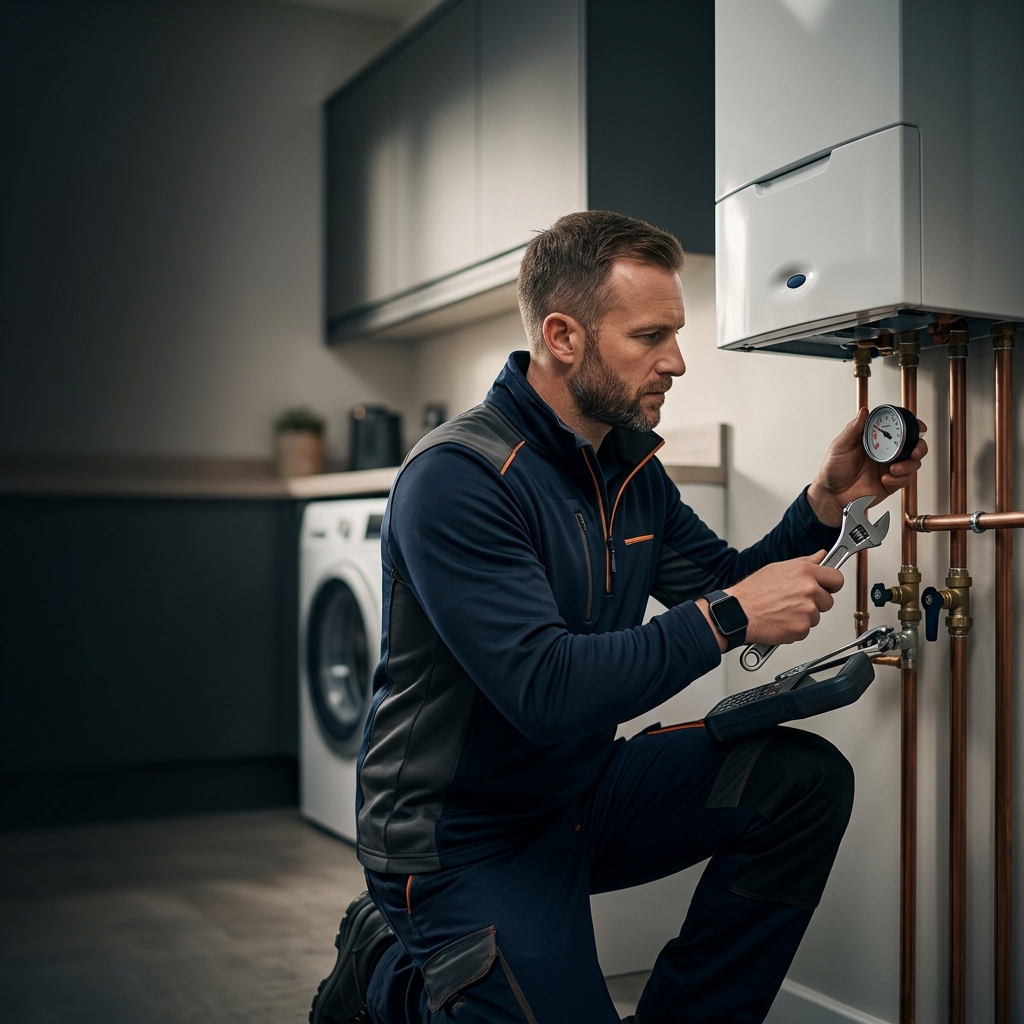
You should call a Gas Safe registered heating engineer if:
- The pressure drops back down within a day or two of topping up
- You can’t locate the filling loop or aren’t comfortable using it
- You notice any visible leaks, damp, or watermarks
- The boiler is showing error codes and won’t restart
- You suspect the expansion vessel or PRV needs replacing
Working on a gas boiler is not a DIY job. Gas appliances must be serviced and repaired by a Gas Safe registered engineer, it’s a legal requirement, and for very good reason.
Our heating engineers cover Gravesend, Dartford, and the wider Kent and Medway area. If you’re not sure what’s causing the problem, we’re happy to take a look.
Typical Costs
Here’s a rough guide to common boiler pressure repair costs in Kent:
| Repair | Approximate Cost |
|---|---|
| System top-up + inspection | £60–£120 |
| Pressure relief valve replacement | £100–£200 |
| Expansion vessel replacement | £150–£300 |
| Leak detection and repair | £100–£350+ (depending on location) |
| Full boiler service | £80–£120 |
These are estimates only, costs vary depending on the boiler type, age of the system, and how accessible the components are.
FAQs
How often should I need to top up my boiler pressure?
Ideally, never, or at most once or twice a year. If you’re topping it up more frequently than that, there’s likely a leak or a component fault that needs investigating.
Is it safe to use my boiler when the pressure is low?
Most modern boilers will lock out automatically when pressure drops too low, which prevents damage. However, if your boiler is still running with pressure below 0.5 bar, it’s best to switch it off and call an engineer.
Can I top up the boiler pressure myself?
Yes, topping up via the filling loop is something most homeowners can safely do. Refer to your boiler manual for the correct method. However, if you’re unsure, don’t hesitate to call a professional.
What is the correct boiler pressure?
For most homes, the ideal cold pressure is between 1 and 1.5 bar. When the system is hot, it can rise to 2–2.5 bar, this is normal.
How long does a boiler pressure repair take?
Simple repairs such as a PRV or expansion vessel replacement are usually completed within a few hours. Leak repairs depend on where the leak is located.
Could a new boiler fix recurring pressure problems?
If your boiler is old and experiencing repeated issues, replacing it may be more cost-effective in the long run. An engineer can advise whether repair or replacement makes more sense for your situation.
Need a Local Heating Engineer in Kent?
If your boiler pressure keeps dropping and you’re not sure why, our experienced heating engineers can diagnose and resolve the problem quickly.
We cover Gravesend, Dartford, Medway, and surrounding areas across Kent.
Contact us today for honest advice, a no-obligation quote, or urgent assistance.
Also see: Boiler Repair in Gravesend | Plumbing Services in Dartford | Leak Detection in Kent