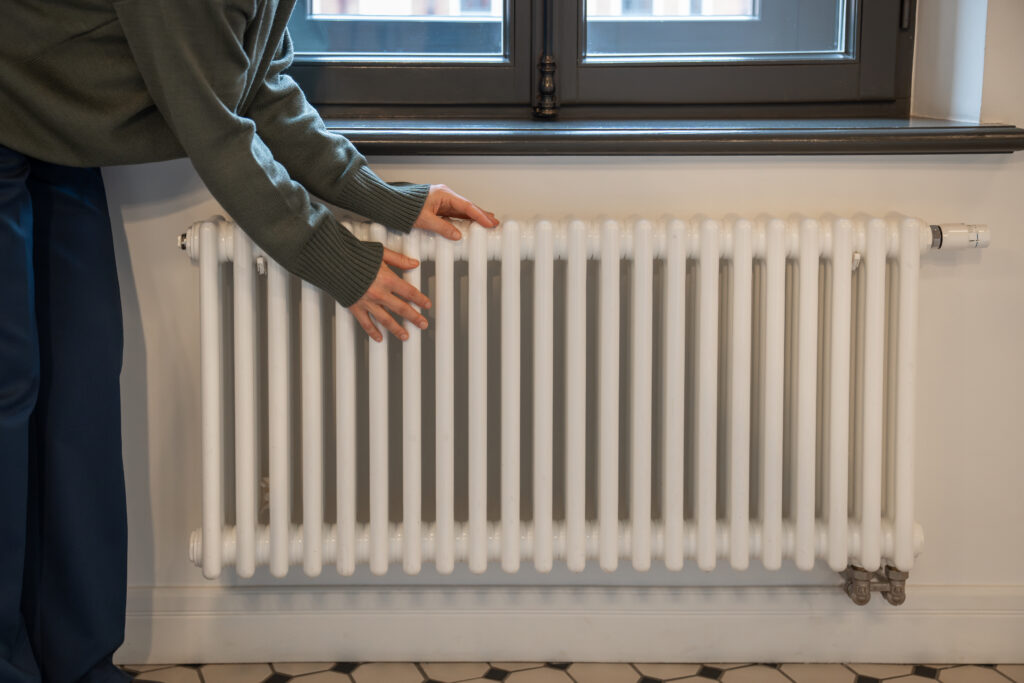
If your radiators are taking ages to heat up, some are cold at the bottom, or your boiler is making odd gurgling noises, there’s a reasonable chance your central heating system is clogged with sludge. It sounds unpleasant because it is, and a power flush is often exactly what’s needed to sort it.
But how much does it actually cost? And is it always worth doing? This guide covers everything you need to know about power flushing in Kent, including honest pricing, what the process involves, and how to tell if you really need one.
Quick Answer: How Much Does Power Flushing Cost in Kent?
In Kent, a power flush typically costs between £350 and £700 for a standard home. The exact price depends on:
- The number of radiators in the property
- The severity of the sludge build-up
- Whether chemical inhibitor is included
- The contractor you use
Larger systems with more radiators, or systems that are very heavily clogged, will sit at the higher end of that range.
What Is Power Flushing?
Over time, the water circulating around your central heating system picks up rust, limescale, and debris from the inside of your pipes and radiators. This builds up into a dark, muddy sludge that restricts flow, reduces efficiency, and puts extra strain on your boiler pump and heat exchanger.
A power flush involves connecting a specialist machine to your heating system and pumping high-pressure water mixed with cleaning chemicals through the pipework, boiler, and radiators. This breaks down and removes the sludge, leaving the system clean and flowing freely.
It’s not the most glamorous of jobs, but it can make a dramatic difference to how well your heating works.
Signs You May Need a Power Flush
Here are the most common indicators that your system has a sludge problem:
- Cold spots at the bottom of radiators: sludge settles at the lowest point and blocks heat from circulating
- Radiators slow to heat up even when the boiler is running normally
- Noisy boiler: a kettling, gurgling, or banging noise often indicates sludge or limescale in the heat exchanger
- Some radiators hot, others cold: inconsistent heating across the house
- Boiler cutting out or showing frequent error codes
- Discoloured water when you bleed a radiator (should be clear, not dark brown or black)
- High energy bills despite no obvious change in usage
If you’re experiencing several of these, a power flush is well worth considering.
What the Process Involves
Here’s roughly what to expect when an engineer carries out a power flush:
1. Initial assessment: The engineer will check the system, bleed the radiators, and assess the level of contamination. They’ll also check the system pressure and look for any obvious leaks before starting.
2. Connection of the power flushing machine: The machine is connected to the system, usually at the pump or a radiator valve. It circulates water and chemicals at high velocity through the system.
3. Flushing each radiator: The engineer works through each radiator in turn, agitating them physically (with a rubber mallet, don’t worry, this is perfectly normal) to loosen stubborn deposits.
4. Chemical cleaner and neutraliser: A descaling chemical is used to break down limescale, followed by a neutraliser to prepare the system for the inhibitor.
5. Magnetic filter and inhibitor: Finally, a chemical inhibitor is added to protect the system going forward. Many engineers will also fit or check a magnetic filter (Magnaclean) to catch debris before it re-enters the boiler.
6. Final checks: The engineer tests all radiators for even heat distribution, checks pressure, and ensures the boiler is running cleanly.
The whole process typically takes 4–8 hours depending on the size of the system.
How Much Does It Cost?
Here’s a breakdown of typical power flushing costs in Kent:
| Property Size | Number of Radiators | Approximate Cost |
|---|---|---|
| 1–2 bed flat/house | 5–8 radiators | £350–£450 |
| 3 bed house | 8–12 radiators | £450–£550 |
| 4 bed house | 12–16 radiators | £550–£650 |
| Large property | 16+ radiators | £650–£800+ |
Additional costs to factor in:
- Magnetic filter (Magnaclean): if not already fitted: £80–£150 supplied and fitted
- Inhibitor top-up: usually included, but worth confirming
- Leak repairs: if any leaks are found during the flush, these will be quoted separately
Be wary of quotes that seem unusually cheap. A power flush done properly takes time and uses quality chemicals, if the price seems too good, it probably is.
Is Power Flushing Always Worth It?
Honestly? Not always.
A power flush won’t fix every heating problem, and it isn’t always the right solution. It’s not recommended if:
- The system has very old or corroded pipes that may not withstand the pressure
- There are known leaks that haven’t been repaired first
- The system is due for major work (such as a replacement boiler with new pipework)
In some cases, a chemical flush (a less aggressive alternative added directly to the system) may be sufficient for mildly contaminated systems.
The best approach is to have an engineer assess the system first. If the sludge is severe, a power flush will almost certainly pay for itself in improved efficiency and reduced wear on your boiler. If the system is relatively clean, it may not be necessary at all.
How To Prevent Sludge Build-Up
Once you’ve had a power flush, you don’t want to be back in the same situation in five years. Here’s how to keep the system clean:
- Fit a magnetic filter if you don’t already have one, this catches iron oxide particles before they circulate
- Use a quality inhibitor and top it up as part of your annual boiler service
- Annual boiler service: a good engineer will check inhibitor levels and system condition every year
- Address leaks promptly: water top-ups dilute the inhibitor and introduce fresh oxygen into the system, accelerating corrosion
FAQs
How long does a power flush take?
Most residential power flushes take between 4 and 8 hours. Larger properties with more radiators, or very heavily contaminated systems, can take longer.
Can I have a power flush if I have a new boiler?
Yes, in fact, most boiler manufacturers recommend flushing the existing system before fitting a new boiler. Installing a new boiler into a dirty system can void the warranty and significantly shorten its lifespan.
How often do I need a power flush?
There’s no fixed rule, but most systems benefit from a flush every 5–10 years, particularly if no magnetic filter or inhibitor is in place. A good annual service will flag if it’s becoming necessary.
Will a power flush damage my pipes or radiators?
Done correctly by a competent engineer, a power flush should not damage the system. The engineer will assess the condition of the pipework first and adjust the pressure accordingly. If the system has badly corroded pipes, this will be identified before the flush starts.
Is a power flush the same as a chemical flush?
Not quite. A power flush uses a specialist machine to physically push chemicals through the system at high velocity. A chemical flush involves adding cleaning chemicals to the system and running it normally for a period before draining. Power flushing is more thorough and effective for heavily contaminated systems.
Will a power flush fix cold radiators?
In most cases, yes, if the cold spots are caused by sludge build-up, a power flush should restore heat distribution significantly. If radiators remain cold afterwards, there may be an issue with the radiator valve or flow balancing.
Need Power Flushing in Kent?
If your heating system is struggling or you’ve noticed any of the signs above, get in touch with our local heating engineers. We carry out power flushing across Gravesend, Dartford, Medway, Maidstone, and the wider Kent area.
Contact us today for a no-obligation assessment and honest advice on whether a power flush is the right solution for your system.
Also see: Boiler Repair in Gravesend | Plumbing Services in Dartford | Why Your Boiler Pressure Keeps Dropping