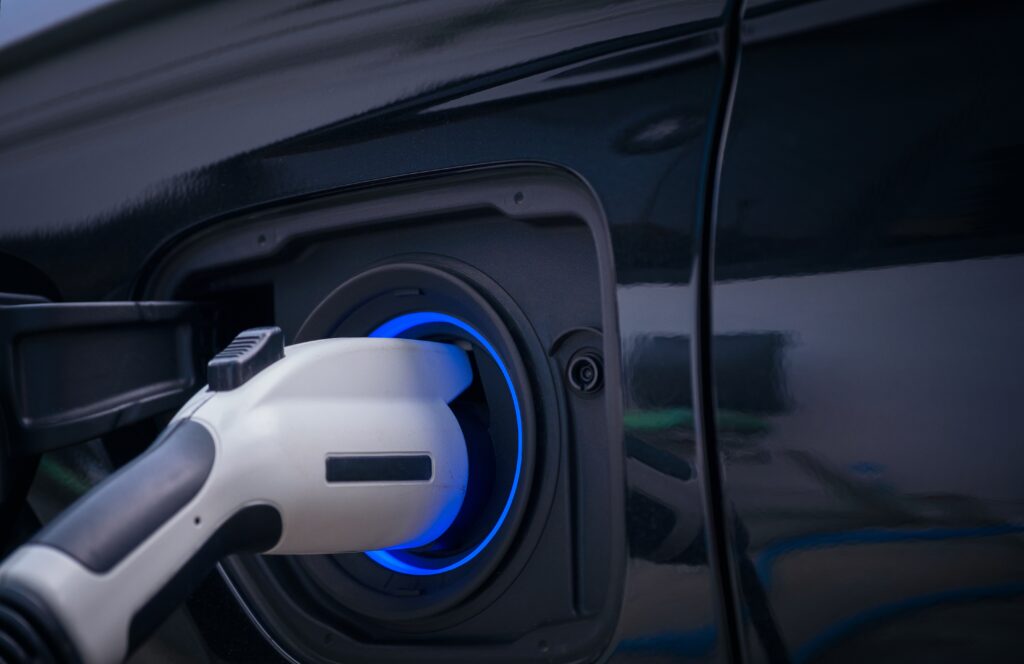
If you have recently bought an electric vehicle, or you are thinking about making the switch, home charging is almost certainly going to be on your to-do list. Charging from a standard three-pin socket is possible but slow and not ideal for regular use. A dedicated home EV charger makes the process much faster, more convenient, and safer for long-term use.
But what does it actually cost to have one installed? And what do you need to know before booking? This guide covers everything in plain English.
Quick Answer: How Much Does EV Charger Installation Cost in Kent?
A home EV charger installation in Kent typically costs between £800 and £1,400 in total, including the charger unit and installation. Factors that affect cost include:
- The charger brand and specification (3.6kW or 7kW)
- Whether you qualify for a government grant
- The distance from your consumer unit to the installation point
- Whether any additional electrical work is needed
With the OZEV grant (formerly OLEV), eligible homeowners can reduce the cost by up to £350.
Types of Home EV Charger
For domestic use, you will typically be choosing between two types:
3.6kW (slow/fast) Slower charging, suitable for overnight charging or vehicles with smaller batteries. Less common in newer installations.
7kW (fast) The most popular choice for home installations. Charges most electric vehicles overnight from near-empty to full. Compatible with the vast majority of EVs on the market.
Chargers are also available in tethered* (with a cable permanently attached) or *untethered (socket-only, you provide your own cable) versions. Tethered units are more convenient for everyday use; untethered units are more flexible if you change vehicles.
Some premium models also offer smart features such as app control, scheduled charging (useful for off-peak tariffs), solar integration, and load balancing.
What Affects the Cost?
Distance from Consumer Unit
The installation involves running a dedicated circuit from your consumer unit to the charger. The longer the cable run (for example, if your consumer unit is at the back of the house and you want the charger at the front), the more materials and labour time are involved.
Condition of Your Consumer Unit
If your consumer unit is old, full, or does not have a suitable spare way for the new circuit, it may need upgrading before installation. This adds to the overall cost but is sometimes necessary.
External Works
If cables need to run underground or through walls, there may be additional groundworks involved. Most standard installations are relatively straightforward, but properties with unusual layouts can require more work.
Charger Brand and Features
Basic smart chargers from reputable brands start from around £400-£500 supplied. Premium units with advanced features (Zappi, Hypervolt, Ohme) cost more but offer useful functionality for those on time-of-use energy tariffs.
The OZEV Grant: What Is It and Do You Qualify?
The Office for Zero Emission Vehicles (OZEV) offers a grant of up to £350 towards the cost of a home EV charger installation. The grant is applied at the point of installation by the approved installer, so you do not need to claim it separately.
To qualify, you must:
- Own or have ordered a qualifying electric or plug-in hybrid vehicle
- Be installing the charger at your primary residence
- Use an OZEV-approved installer (we are registered)
- Have dedicated off-street parking
The grant does not cover chargers at rental properties (a separate landlord grant exists) or second homes. Your installer will confirm eligibility before booking.
What the Installation Involves
A standard EV charger installation typically includes:
- Survey (sometimes done remotely via photos/video call, sometimes in person)
- Dedicated circuit from consumer unit to charger location
- Mounting of the charger unit to wall or post
- Testing and commissioning
- OZEV grant application (handled by installer)
- Electrical certification for the new circuit
The electrician will need access to your consumer unit and a clear run for the cable. If you have specific requirements for the cable route (e.g. buried underground for aesthetics), discuss this in advance.
How Long Does Installation Take?
For a straightforward installation, the job typically takes 2 to 4 hours. More complex installations (longer cable runs, consumer unit work, external trunking or underground runs) will take longer.
Most customers are able to book and complete their installation within a week or two of enquiring.
Can Any Electrician Install an EV Charger?
Not quite. To apply the OZEV grant on your behalf, the installer must be registered with OZEV. Outside of the grant, the electrical work must still be carried out by a qualified electrician who can certify the circuit under Part P of the Building Regulations.
Using an unregistered installer could mean you miss out on the grant, have issues with your home insurance, or find problems when you come to sell the property. Always use a registered, certified installer.
Typical Costs in Kent
| Scenario | Approximate Cost |
|---|---|
| Standard 7kW install (before grant) | £1,000-£1,300 |
| Standard 7kW install (after £350 grant) | £650-£950 |
| Premium smart charger install (before grant) | £1,200-£1,600 |
| Consumer unit upgrade required (additional) | £400-£700 |
| Underground cable run (additional) | £200-£600 |
These are approximate figures for the Kent area. An accurate quote requires a site survey or at least a detailed discussion of your property layout.
FAQs
Can I charge my EV from a normal plug socket?
Yes, with a 3-pin plug charger (often called a granny charger), but it is very slow. A standard 13A socket delivers roughly 2.4kW, meaning a full charge on a large battery EV could take 24 hours or more. It is fine for occasional top-ups but not recommended as a primary charging method.
Do I need planning permission for an EV charger?
In most cases, no. Domestic EV charger installations are generally covered by permitted development rights. There are some exceptions (listed buildings, certain conservation areas), so check with your local authority if you are unsure.
What is the cheapest way to charge an EV at home?
The cheapest way is to use a smart charger on an off-peak electricity tariff (such as Octopus Go or OVO Beyond), scheduling charging overnight when rates are lower. Some tariffs offer electricity as cheap as 7p/kWh overnight, compared to standard rates of 25-30p/kWh. Over a year, the savings can be significant.
How long will a 7kW charger take to charge my car?
It depends on your vehicle’s battery size and acceptance rate. As a rough guide:
- Small EV (e.g. Nissan Leaf 40kWh): around 6-7 hours from empty
- Mid-size EV (e.g. Volkswagen ID.4 77kWh): around 11-12 hours from empty
- PHEV (e.g. BMW 330e): around 2-3 hours from empty
Most people plug in overnight and wake up to a full charge.
Does installing an EV charger add value to my home?
Increasingly, yes. As EV ownership grows, a home EV charger is becoming an expected feature for many buyers. The cost of installation is generally considered to add at least equivalent value to the property.
What happens if I move house?
EV chargers are fixed installations and would normally be left with the property (potentially adding value). If you want to take it with you, a new installation at your new home would be needed, and you may qualify for the OZEV grant again.
EV Charger Installation in Kent
We are an OZEV-approved installer covering Gravesend, Dartford, Medway, Maidstone, Canterbury, and the wider Kent area. We will handle the grant application, carry out a clean, professional installation, and provide full certification.
Contact us today for a quote or to discuss your requirements.
Also see: EV Charger Installation in Gravesend | EV Charger Installation in Dartford | Socket Installation in Kent